In Sagamore Hills, One Median Price Is Quietly Averaging Two Different Housing Markets
October 1, 2026
October 1, 2026
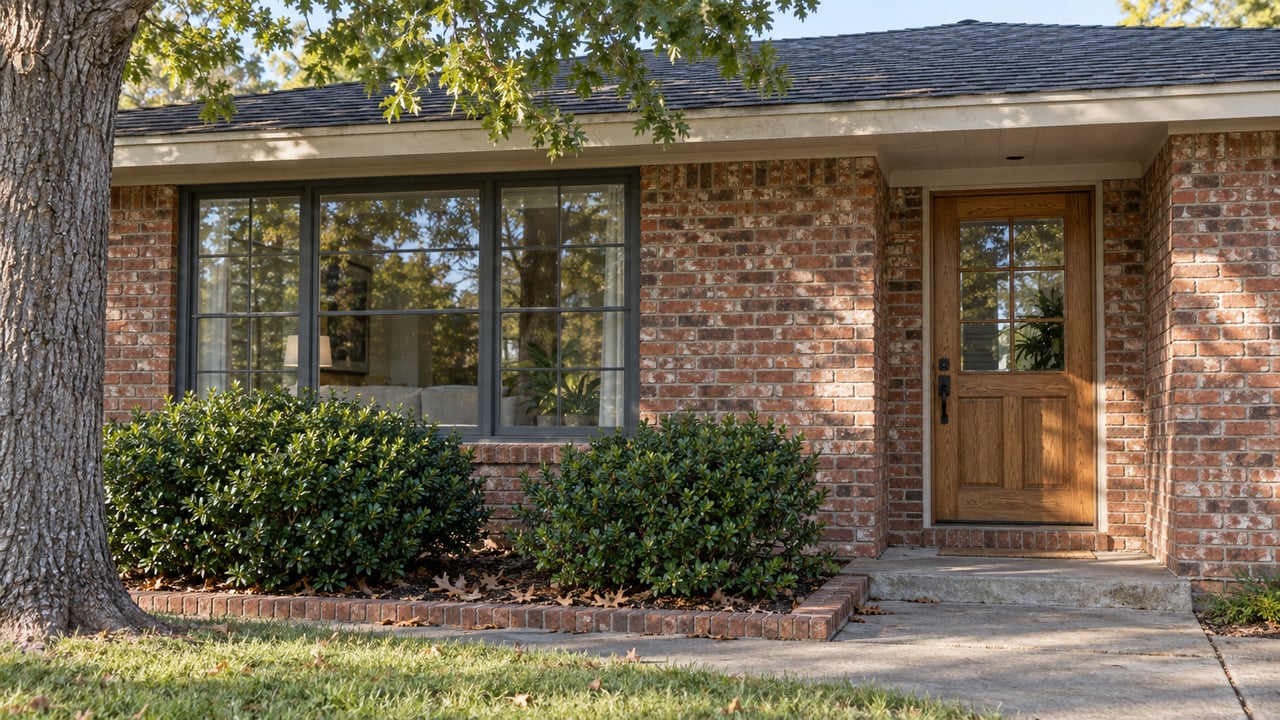
Drive down Alderbrook Road on a Saturday morning and you will pass a low brick ranch with its original single-pane windows sitting fifty feet from a two-story rebuild with a slate roof and a three-car garage. Same street, same mature oak canopy, same walk to Sagamore Hills Elementary. The two homes could be a million dollars apart in price.
That gap isn't a fluke of one unusual block. It's the whole neighborhood, compressed into a single number that shows up on every home-value page: the median sale price. Over the trailing twelve months, that median for Sagamore Hills has landed around $597,000, up about 1% from the year before. It's a useful shorthand. It's also hiding the fact that almost nobody who buys here pays a price anywhere close to it.
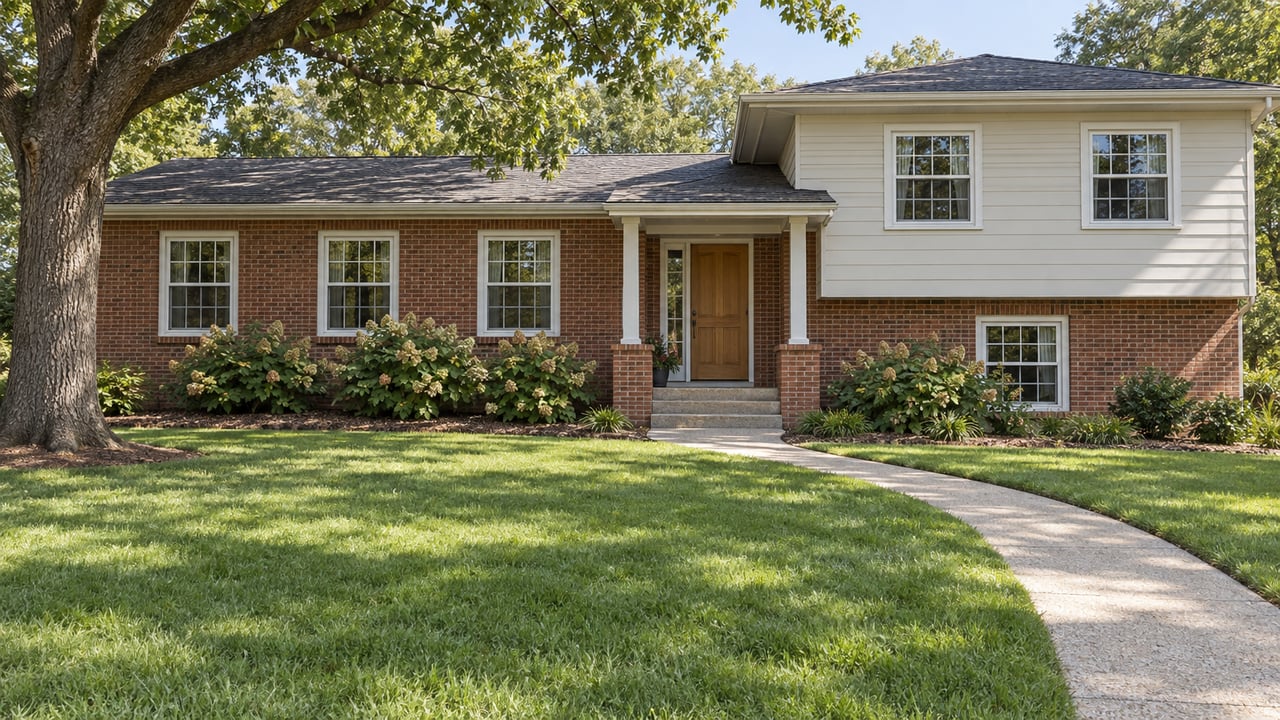
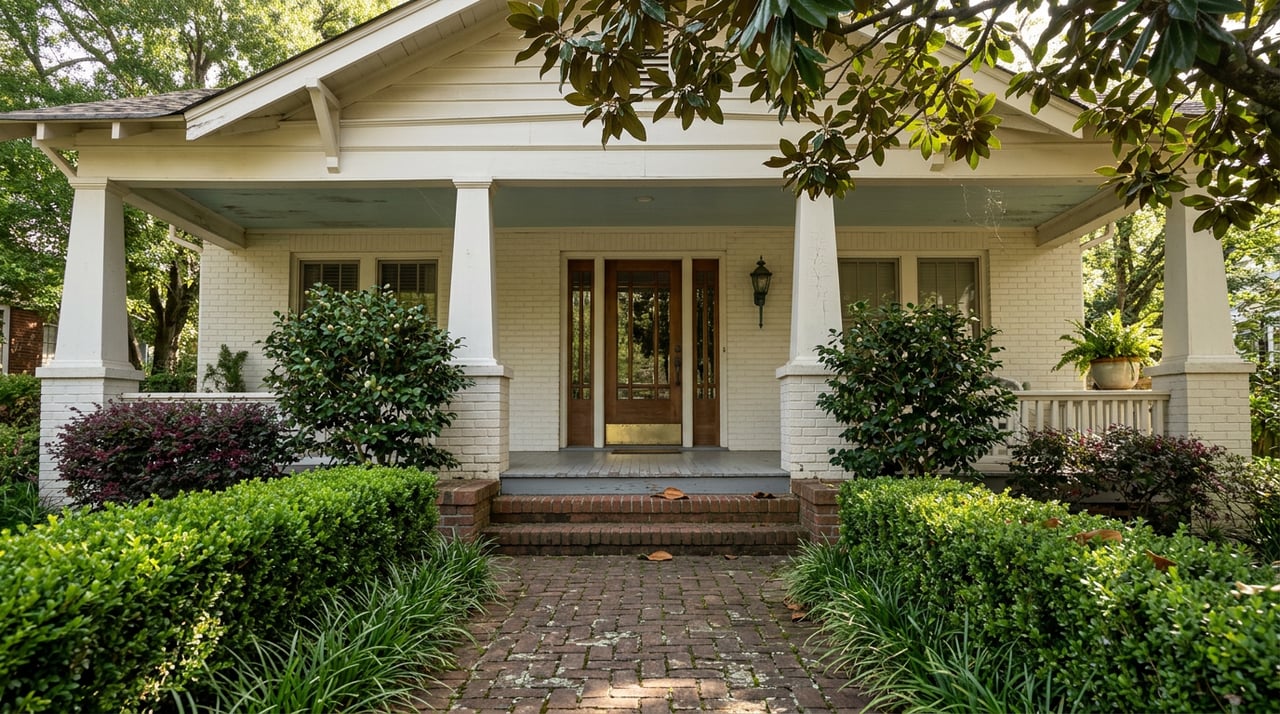
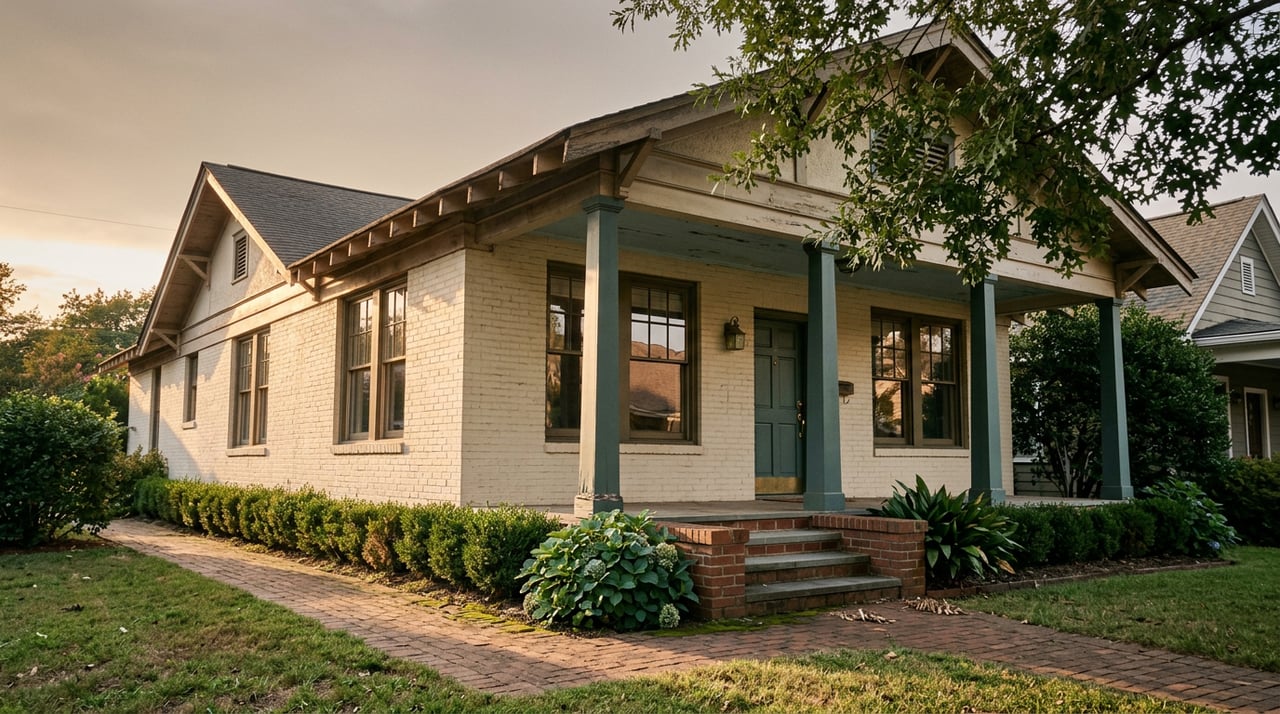
Sagamore Hills was largely built out in the 1950s and 60s as a neighborhood of ranch homes and brick Colonial Revivals on generous lots, a couple of miles from Emory and the CDC. That original housing stock still makes up a meaningful share of what's for sale, and it clusters in a fairly tight band: roughly $450,000 to $825,000, depending on lot size, basement finish, and how much of the original kitchen and baths survive.
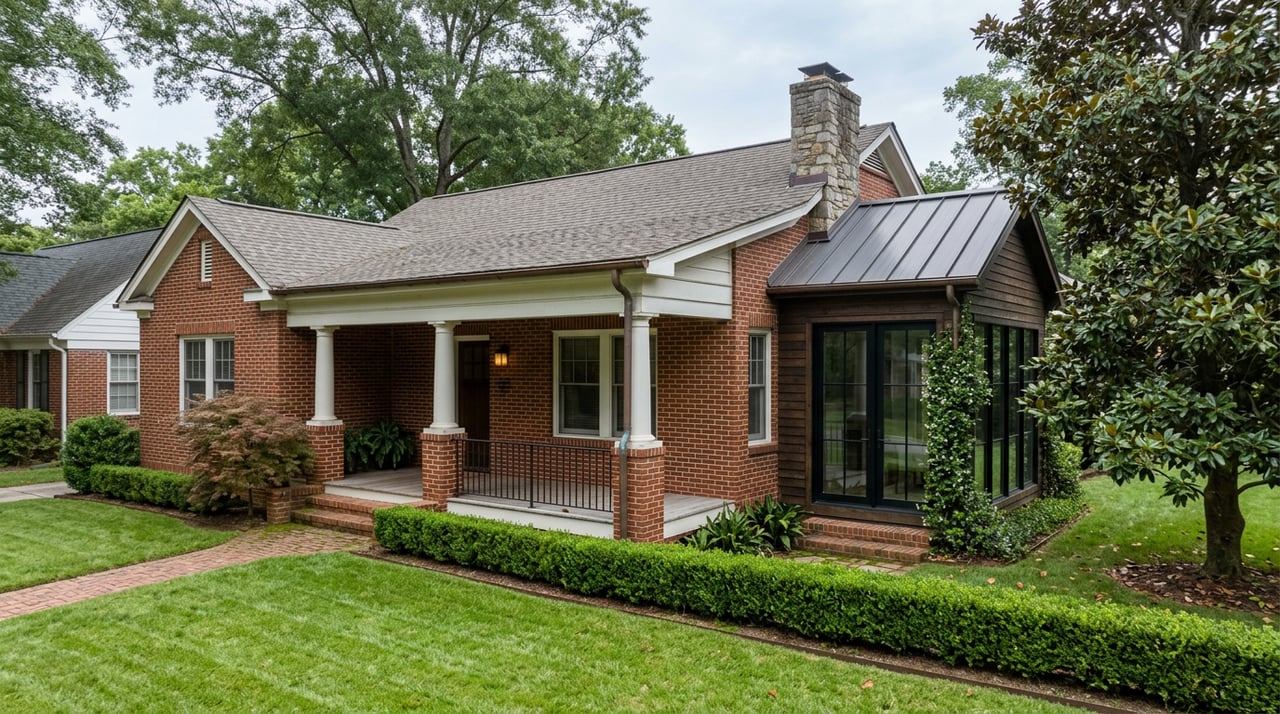
Then there's the other Sagamore Hills. Since the 1990s, and increasingly over the past decade, buyers with deeper budgets have been replacing those same ranches with larger new construction on the same footprints, some Georgian in style, some with the tall pillars and slanted rooflines locals just call the "mega mansion" look. Recent listings put that segment at roughly $1.1 million to $2.3 million.
Zoom out to the surrounding 30329 ZIP code and the picture blurs further. The average home value there sits near $528,000, up about 1.2% over the past year as of 2026, a figure that blends Sagamore Hills with several adjacent pockets of North Druid Hills. None of these numbers describe a "typical" Sagamore Hills home so much as they mark the boundary between two different neighborhoods sharing the same streets and the same elementary school zone.
You can see the split in real time on any given week. A three-bedroom ranch on Timberland Road recently listed at $585,000. A few blocks away on Audubon Drive, a five-bedroom, four-bath rebuild listed at $1.35 million. Both are Sagamore Hills addresses. Neither is close to the median.
The teardown wave isn't random. It's math. Once new construction on a street starts closing above a million dollars, the land under a dated ranch becomes worth more for what could replace it than for the 1,600-square-foot house currently sitting on it. At that point, a buyer weighing a full renovation against a teardown is often comparing two paths to a similar rough outcome, and the wide lots that drew 1960s families to Sagamore Hills now draw builders for the same reason.
That's a different dynamic than steady, neighborhood-wide appreciation, where every home moves up together at roughly the same rate. Here, the original stock and the new stock behave more like two separate markets that happen to share zoning and a mail carrier. One moves on renovation costs and dated-systems risk. The other moves on construction budgets and finish-level competition with other new builds nearby.
If you're comparing Sagamore Hills to another DeKalb County neighborhood using a single price figure, you're not comparing like to like. You're comparing an average of two different housing products to whatever single product the other neighborhood happens to offer.
The other headline stat for Sagamore Hills is speed. Over the same trailing-year window, homes here have found contracts in a median of about 24 days, against a roughly 52-day national average. On its face, that reads as a straightforward hot market.
It's more specific than that. A fast median doesn't require every listing to move fast for the same reason. A well-priced ranch with renovation upside can go under contract quickly because investors and hands-on buyers are actively hunting for exactly that inventory before it reaches a wider audience. A finished, move-in-ready rebuild can also move quickly, but because it's competing for a smaller pool of buyers who've already sold a larger home elsewhere and would rather not manage a renovation at all. Both segments can post fast timelines without drawing from the same buyer pool or facing the same competition.
That distinction matters if you're planning your own timeline. A quick close on a ranch you intend to renovate still leaves months of contractor scheduling and permitting ahead of you. A quick close on a finished rebuild means you're mostly done once you sign.
Retail investment doesn't happen in a vacuum, and the activity next door to Sagamore Hills is worth watching for what it says about confidence in the area. Barnes & Noble confirmed in March that it's opening a new store at Toco Hills Shopping Center this September, taking over the space left vacant when Westside Market's lease expired, according to Decaturish. The shopping center's owner, EDENS, is separately redeveloping the former North DeKalb Mall site into a mixed-use project just up the road.
Neither of those moves is aimed at one price band of housing. A national retailer and a mall redeveloper are betting on rooftops in general, not specifically on ranch buyers or rebuild buyers. That's part of why both segments in Sagamore Hills have kept climbing rather than one cannibalizing the other. The demand pulling in renovation buyers and the demand pulling in move-up buyers with rebuild budgets are both being fed by the same underlying draw: proximity to Emory, the CDC, and a retail corridor that keeps reinvesting rather than hollowing out.
If Sagamore Hills is on your list because the median looked approachable, the first honest question is which of the two markets you're actually shopping. A $597,000 budget doesn't put you at the middle of the neighborhood. It puts you near the top of the original-stock band, competing for the better-maintained ranches, not at the entry point for everything the neighborhood offers.
If you're shopping the ranch end, budget time and money for inspection findings that are common in 1950s and 60s construction: original electrical panels, cast iron plumbing, single-pane windows, and roofs that may be past a reasonable service life even if they look fine from the street. None of that is unique to Sagamore Hills, but it's worth pricing into your offer rather than discovering it during due diligence.
If you're shopping the rebuild end, your comps are a much smaller pool, and recent finish quality, not lot size, will explain most of the price difference between two similar-looking new builds. Ask about a builder's other completed projects in the area rather than relying on square footage alone.
Either way, don't let one median number do your neighborhood comparison for you. Ask what price band you're actually shopping and price your search against that, not against the whole ZIP code.
Is Sagamore Hills the same neighborhood as Oak Grove? No. They border each other and share some commercial corridors and school pipeline, but they're distinct neighborhoods with their own housing stock and price patterns.
Does a fast median days-on-market mean I should expect a bidding war? Not automatically. It means well-priced homes in both segments are finding buyers quickly, not that every listing draws multiple offers. Pricing and condition still matter more than the neighborhood-wide average.
If you're weighing a Sagamore Hills ranch against a rebuild, or trying to figure out where your budget actually lands in this neighborhood's two-tier market, Atlanta Turtle Group can walk the comps with you street by street. Let's start a conversation.
Stay up to date on the latest real estate trends.
Connect with a real estate professionals who values trust, insight, and personal attention. Every step is guided by a deep understanding of what “home” truly means.
Get In Touch With Our Team To Learn More
Atlanta Turtle Group
ADDRESS 101 W Ponce de Leon Ave Ste 200 Decatur, GA 30030